
Your affiliate landing page is your program’s first impression. It’s where creators decide whether your brand is worth partnering with, or just another tab to close.
A basic signup form won’t convince anyone. You’re asking people to invest their time, audience, and credibility, so your landing page needs to sell the partnership.
The best pages make the opportunity feel real. They show what affiliates can earn, which kinds of content perform well, and how easy it is to get started. They turn browsers into believers, and visitors into active partners.
In this guide, we’ll break down how to build a referral program landing page that does exactly that: attracts the right creators, answers their biggest questions, and drives consistent affiliate signups that convert.
What to include on your affiliate sign-up landing page
Your landing page has to convince the right creators that joining your referral program is worth their time. Every element should remove doubt and build momentum toward signing up.
Here’s what you need to include, and how each part helps convert visitors into active affiliates:
1. Why join the program
You’re asking creators to represent your brand, so give them a reason that feels personal and time-sensitive.
- Show fit: Tell creators who this program is built for. Example: “For skincare creators who value transparency and results.” This instantly filters for the right audience and builds relatability.
- Add urgency: Explain why this is the right time to join. Tie it to a campaign launch, product restock, or a time-limited incentive.
- Quantify value: Mention tangible benefits, like average earnings, repeat customer rate, or conversion data.
This section should make affiliates feel that joining your program is an opportunity they don’t want to miss.
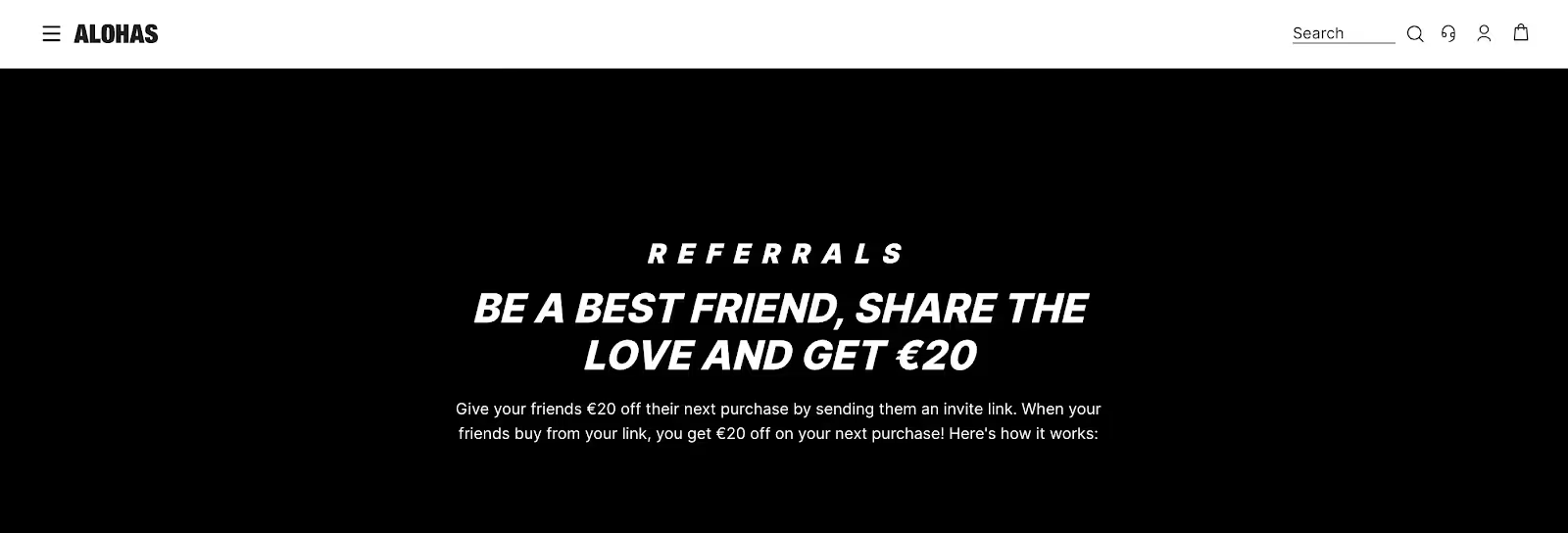
2. Trust and proof
Creators trust other creators more than brand claims. Use this to your advantage:
- Add real affiliate testimonials with numbers: “Made $800 in the first month” performs better than “Love the program.”
- Show creator results like short clips, case studies, or screenshots of actual earnings dashboards.
- Include brand credibility cues like UGC reposts, PR mentions, or brand collaborations.

3. Clear commission details and terms
Be straightforward about your commissions. Spell out your numbers, including base commission, bonuses, and payout frequency. Show what makes your program worth the effort, for example:
- “15% recurring commission on every sale.”
- “Automatic payouts every Friday.”
- “Performance bonuses for top 10 creators each month.”
You can also add a small section on perks, such as gifting, exclusive product drops, or early access. These small details often move a creator from “interested” to “signing up.”

4. How the program works
Turn your workflow into a single, clear sequence so that potential affiliates know what to expect. For example:
- Apply and get approved instantly.
- Receive your unique affiliate link.
- Promote your content.
- Earn payouts automatically, tracked in real-time.

5. Sign up form
This is when a potential affiliate leaves their details, making it the most important part of the page. The form’s design determines whether someone finishes or exits, so make sure to:
- Keep it short: name, email, and main social handle are enough.
- Pre-fill or auto-detect where possible; any extra typing kills conversions.
- Under the button, write what happens next: “You’ll get your unique affiliate link instantly.”
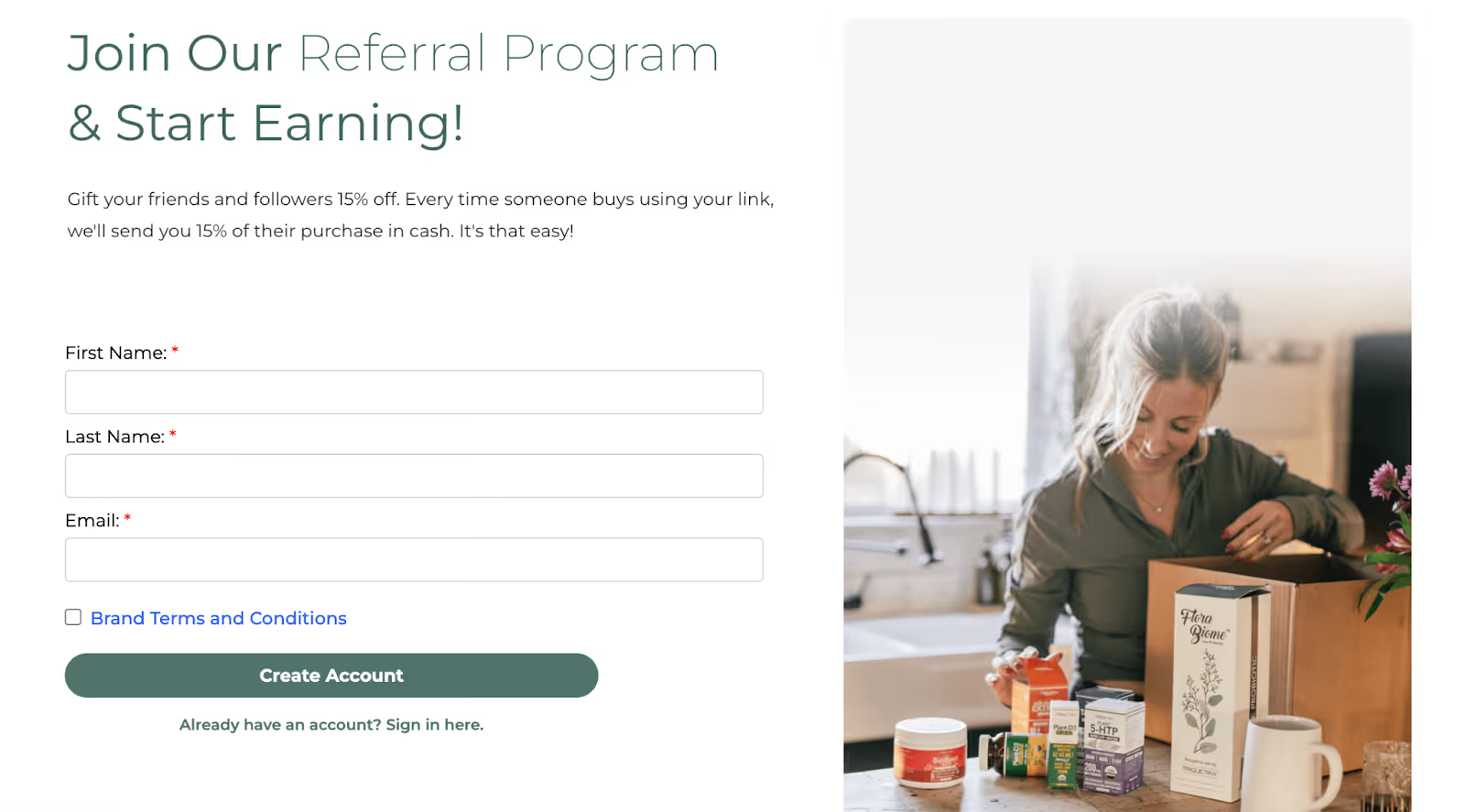
6. FAQs to reduce friction
The final section should remove friction. Include questions that creators actually ask you in DMs or support chats. Some common questions that you can address are:
- “Do I need to buy the product first?”
- “When do I get paid?”
- “Can I join if I’m a micro-influencer?”
- “Will I get help with content?”
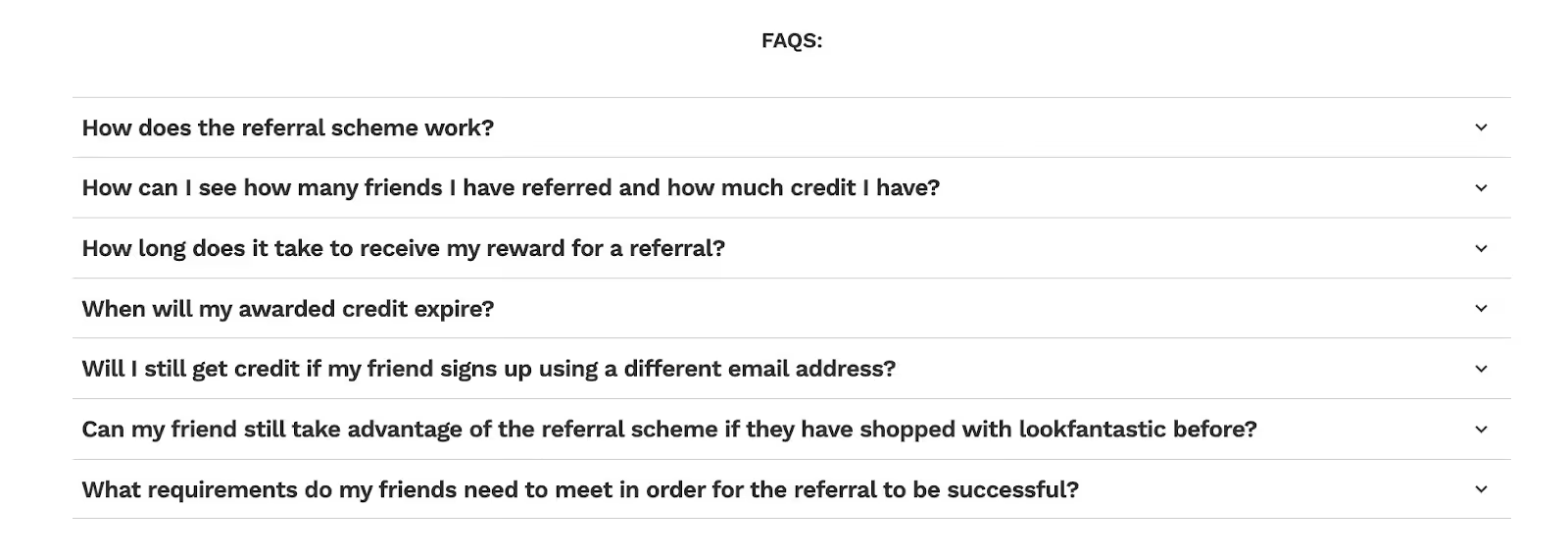
Anatomy of an affiliate sign-up landing page
A good affiliate page answers three questions fast: why join, how it works, and can I trust this brand? The three important elements that allow you to do this are:
- Above the fold: Lead with the why. Show what’s in it for them: payouts, perks, or community. Make it instantly clear that this program is worth joining.
- Mid-page: Explain how it works. Keep it visual and specific: steps, screenshots, or testimonials that build trust and show proof of success.
- Sign-up form: End with an easy, one-step form. Ask for very few details (name, email, social media username) and promise instant activation.
Ready to increase affiliate sign-ups?
Your affiliate program grows because the right people choose to join. That decision is based on your referral landing page.
A clear, credible, well-built page gives potential affiliates the confidence to sign up, and Social Snowball handles everything that happens next.
When someone fills out your form, Social Snowball automatically:
- Syncs their details to your Shopify store and CRM.
- Generates their unique, fraud-protected affiliate link instantly.
- Sends a personalized onboarding email with everything they need to start promoting.


.avif)