.png)
Most brands treat creator sourcing as a numbers game. Find enough influencers, send enough DMs, and hope something sticks. In practice, this leads to prioritizing content creators who look popular over those whose audiences are actually likely to buy, wasting time, product, and budget.
Sourcing is the foundation of every successful creator partnership. When you choose creators strategically, you set yourself up for relevant reach, measurable sales, and long-term partnerships.
In this blog, you’ll learn how to fix the sourcing layer and build a repeatable system for finding influencers who align with your buyers and consistently drive results.
Why your creator sourcing process fails
Creator sourcing breaks when you optimize for activity instead of buyer signals. Each mistake below compounds the next, which is why many programs feel busy but fail to move revenue.
You optimize for reach instead of buyer alignment
A large audience is irrelevant if they don’t resemble your target market or share your brand values. When you prioritize reach over relevance, you pick creators whose followers watch but don’t buy.
The results look active on social media, but conversions stay flat.
You rely on vanity metrics
Likes, views, and follower count feel reassuring, but they don’t indicate whether the creator can sell. These metrics don’t account for the one aspect that matters in ecommerce: purchase intent.
High engagement rates without evidence of buying can lead to false confidence and weak ROI.
You treat creators as campaigns, not partners
One-off collaborations don’t improve with time. There’s no learning, no iteration, and no compounding effect. When creators are treated as one-off campaigns instead of long-term partnerships, performance resets with every post.
You don’t segment creators by potential
Not every creator deserves the same effort. When you give equal attention to everyone, your time, product, and budget get spread thin. High-potential influencers don’t get the focus they need, while low-fit creators stay in the system longer than they should.
Your sourcing happens too late
Waiting until a launch window or BFCM forces rushed decisions with limited context. Under pressure, you skip vetting, ignore audience demographics, and accept creators who are available instead of aligned.
Poor sourcing decisions here create downstream issues during onboarding and execution.
You don’t connect sourcing to onboarding and activation
After a creator agrees, oftentimes, you don’t have a clear next step in place. There’s no immediate onboarding or a clear activation plan.
When sourcing isn’t tied directly to onboarding and activation, interest fades and posting gets delayed or dropped entirely.
You lack feedback loops
You don’t track which creators drive sales, influence buying decisions, or attract repeat customers. Without this feedback, every sourcing cycle starts from zero.
You keep selecting creators based on assumptions instead of evidence, which locks you into the same mistakes quarter after quarter.
How to find influencers for your brand
Most commonly, brands fail at influencer marketing because their sourcing approach is weak or illogical. You can fix that by turning sourcing into a connected system, from buyer definition to shortlisting, so that every decision builds on the previous one.
1. Define who can actually sell for your brand
Begin by anchoring sourcing to your buyer. If you can’t describe who already buys from you and why, you can’t identify creators who influence this buyer group’s decision.
Start with your customer personas. Look at recent purchasers and ask:
- Who is already buying from you?
- What problem were they trying to solve?
- What content or voices influenced their decision?
Once you’re clear on buyer behavior, translate that into creator archetypes. This means identifying the types of influencers whose content naturally attracts people in the same buying mindset as your customers.
2. Find the right influencers in the right places
Once you know who you’re looking for, sourcing becomes focused instead of scattered.
Start close to your brand. Use social listening tools like Social Snowball to find creators who consistently have conversations around your category: ingredients, routines, pain points, or before/after journeys.

Then expand outward:
- Scan comment sections and relevant hashtags on TikTok and Instagram where real buying conversations happen.
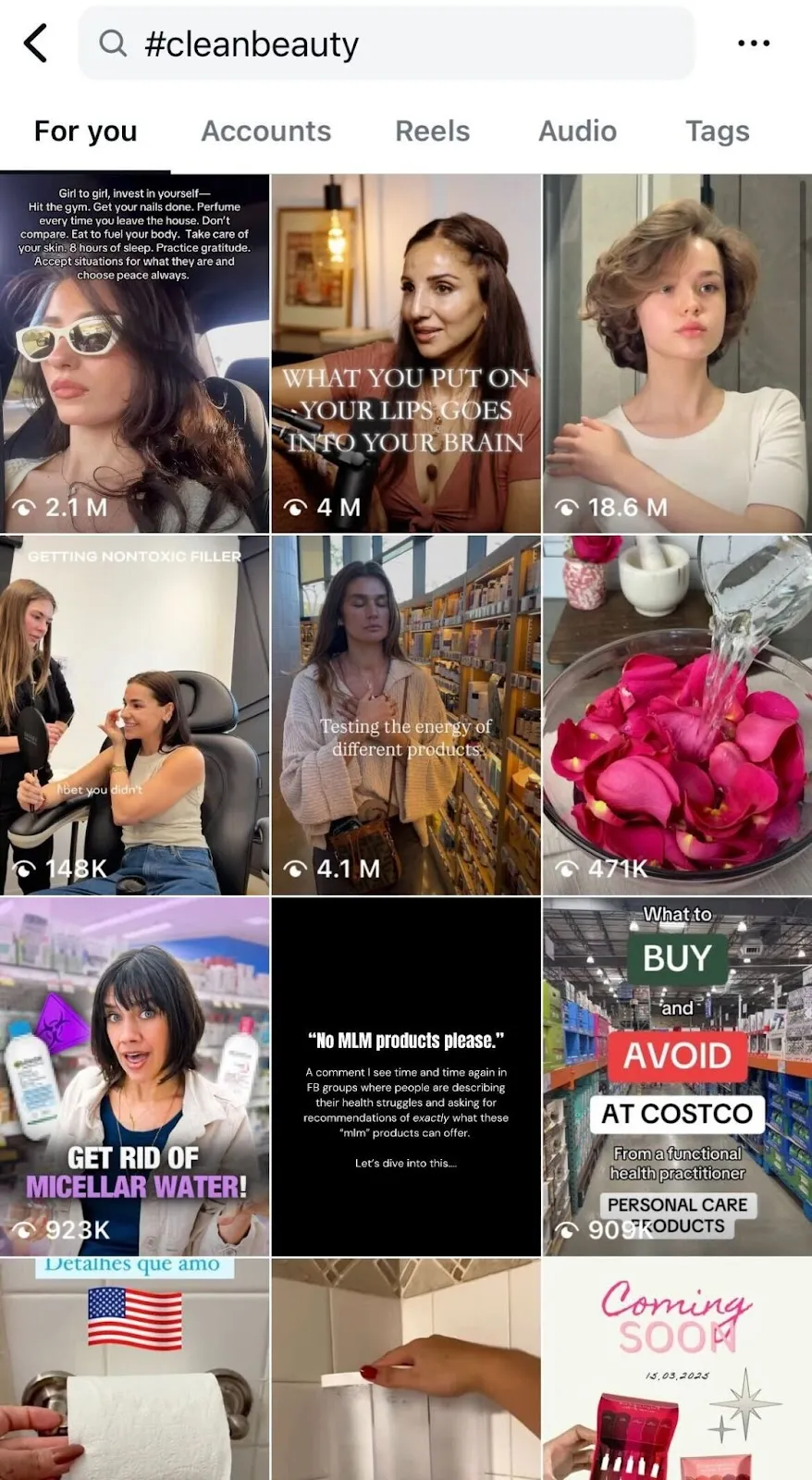
- Review TikTok Shop videos in your category to see who is already driving product discovery.
- Track competitor mentions to identify creators influencing the same buyer you want to reach.
- Use creator marketplaces after you’ve defined your criteria. At that point, they help you widen your search without diluting quality.
3. Evaluate and shortlist creators
Evaluation connects sourcing to performance. This is where you decide who moves forward and who doesn’t.
Instead of vanity metrics, prioritize signals that point to buying behavior:
- Comments that show trust, curiosity, or prior purchase experience
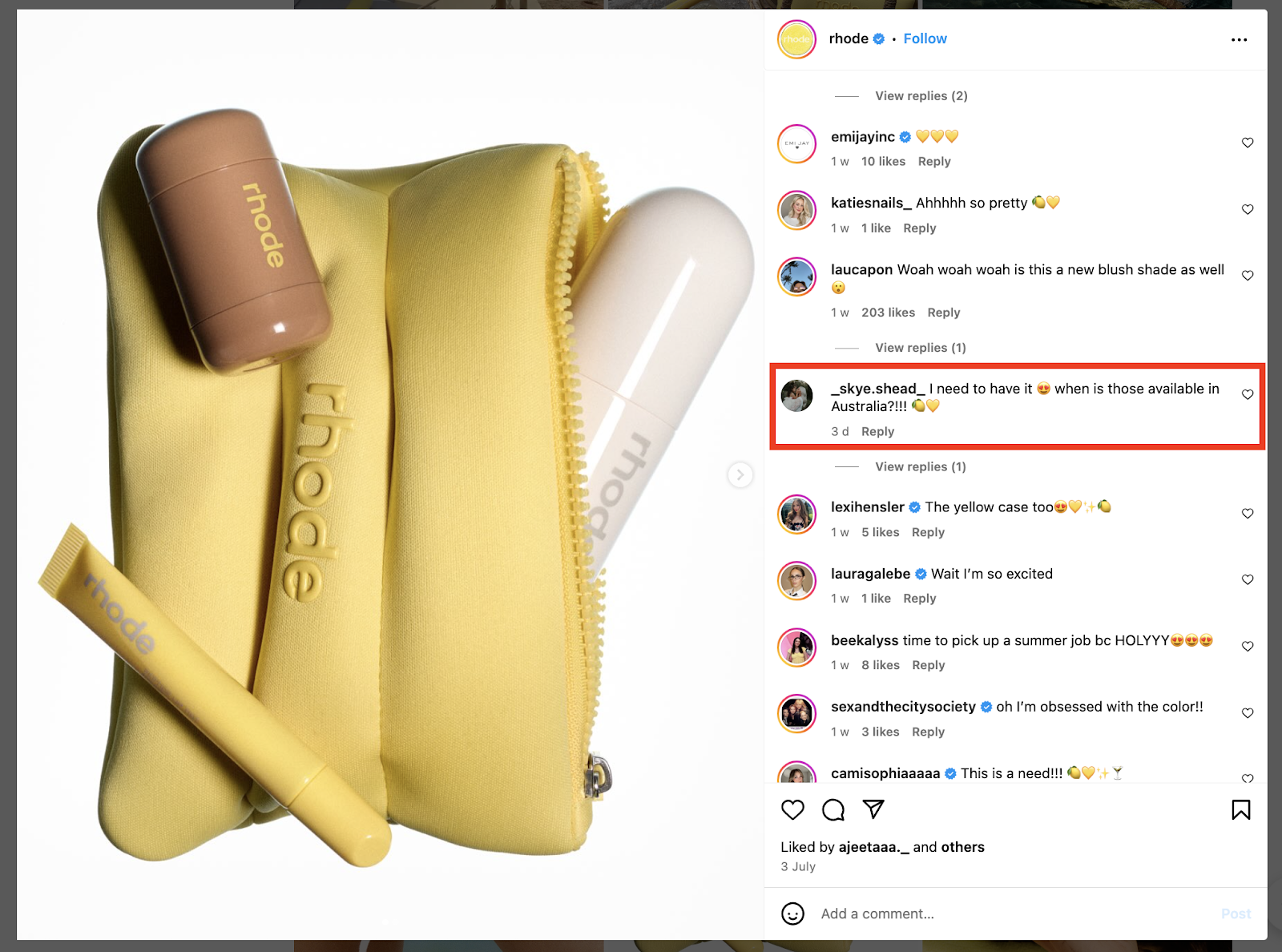
- Questions that signal evaluation or readiness to buy
- Consistency in how the creator frames problems and solutions
- Stability between organic and sponsored engagement
Vet early and cut fast. Misaligned target audiences, forced promotions, or shallow engagement are early indicators of weak performance that will likely persist. Removing low-fit creators at this stage protects your time, product, and team's focus, keeping your program lean and effective.
Best practices for managing creator partnerships
Once you’ve sourced the right creators, performance depends on how you manage them. This is where most influencer programs quietly break. Without structure, every collaboration becomes a one-off, and results never compound.
The goal is to turn creator partnerships into a system that improves with every cycle. These best practices help you do exactly that.
1. Tier creators into A/B/C groups
Start by ranking creators based on their likelihood to influence buying decisions. This creates focus and prevents your time and budget from being spread too thin.
Place creators into three groups:
- A-tier: Creators with strong audience alignment, clear buying signals, and consistent engagement. Prioritize these creators for deeper investment and long-term partnerships.
- B-tier: Creators with partial alignment or early signals. Test with limited seeding and defined success criteria.
- C-tier: Creators with misaligned audiences or weak engagement quality. Remove quickly to avoid wasted effort.
2. Prioritize seeding and outreach based on probability
Product seeding should be intentional, based on the likelihood of impact.
- Start with a small group of creators whose audience demographics, engagement patterns, and content history indicate buying intent.
- Watch early signals, like comment quality, saves, questions, and link clicks.
- Scale support only after traction appears.
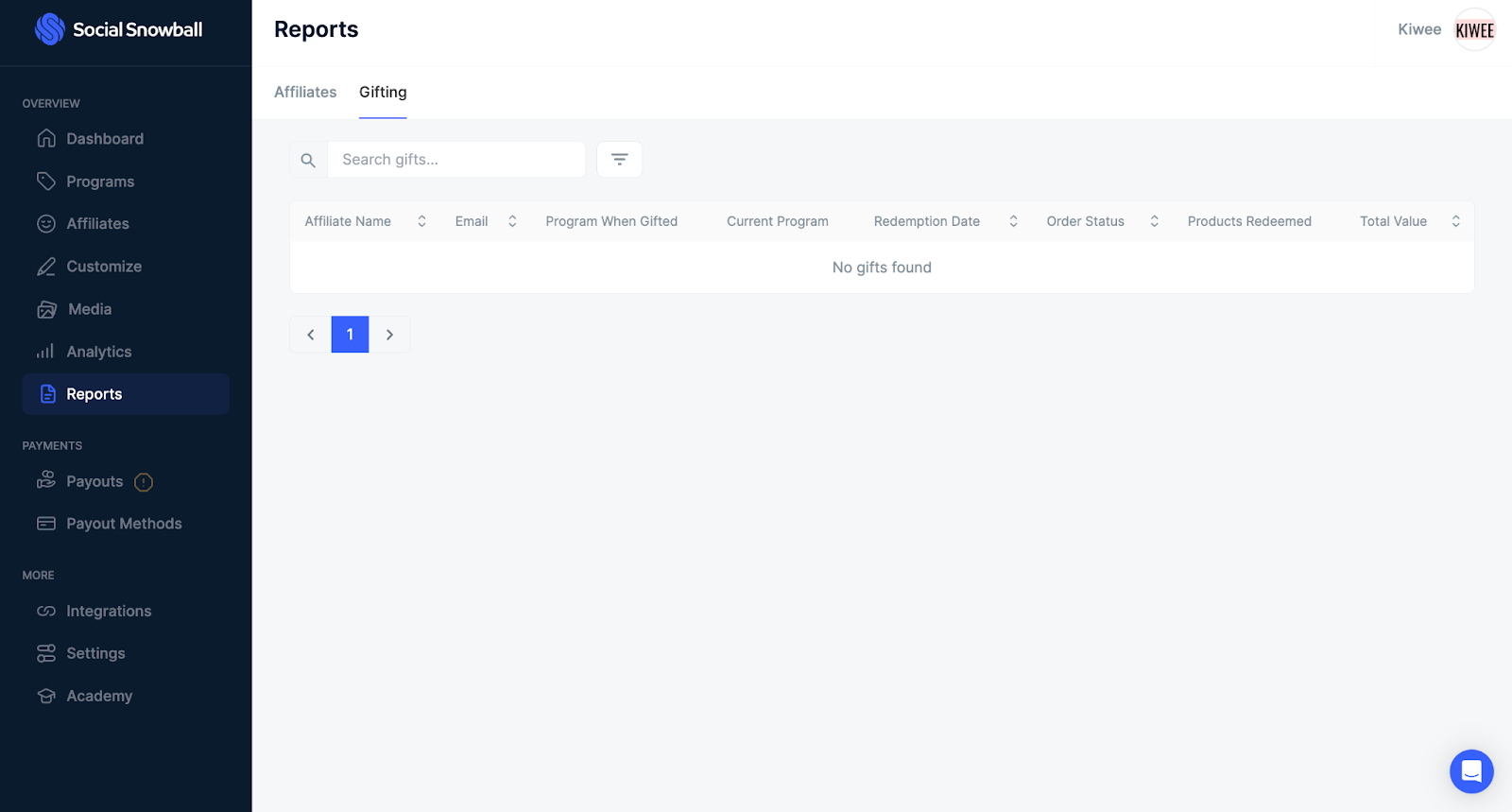
With Social Snowball, you can easily gift products, assign unique affiliate links, and track performance from the first post. This way, you can scale what works and cut what doesn’t, without spreadsheets or manual tracking.
3. Standardize onboarding and expectations
After a creator agrees, move immediately into activation. Momentum drops when expectations stay unclear.
Provide one concise onboarding brief that covers:
- Content formats across social media platforms (for example, TikTok videos or an Instagram reel)
- Timelines and posting cadence
- Usage rights for user-generated content (UGC)
- Payout structure, pricing, and payment timing
- What success looks like for the influencer marketing campaign
Include examples of high-performing hooks or sponsored content from your category, especially if you work with micro-influencers or nano-influencers in a specific niche like skincare or fitness.
Clear expectations shorten the time to posting and improve output quality.
4. Track creators by outcomes
Once content goes live, track outcomes that connect directly to business impact. Some key metrics to monitor are:
- Direct and assisted conversions
- Buyer quality and repeat purchase behavior
- Average order value influenced by each creator
Tools like Social Snowball connect each creator’s content to unique affiliate links, so you can see exactly which creators drive sales. Performance updates in real time, giving you a clear view of who deserves deeper investment and who should be paused.

5. Build feedback loops with creators
Creators improve when they understand what’s working. Share regular, actionable feedback on:
- Which hooks held attention
- Where viewers dropped off
- Which CTAs drove action
This removes guesswork, helps creators iterate faster, and improves performance across future posts.
6. Treat creators as a long-term channel
You should manage creators the same way you manage any revenue channel.
- Track performance history, content usage rights, and engagement trends in one place.
- Keep top creators warm between launches with light check-ins, early access, or feedback requests.
- Involve high performers in launches, testing, or category expansion to deepen investment.
For example, Duradry, a natural deodorant brand, maintains long-term creator relationships through a mix of monetary incentives and gift cards, keeping partners engaged beyond one-off campaigns.

Ready to set up influencer partnerships that drive long-term success?
If your influencer marketing feels inconsistent, the problem may be in how you source your creators.
When you find the best influencers based on buyer intent, audience demographics, and real signals from social media, outreach becomes focused, and onboarding becomes faster because expectations stay clear. Campaign management also improves because you invest in creators who can actually drive conversions.
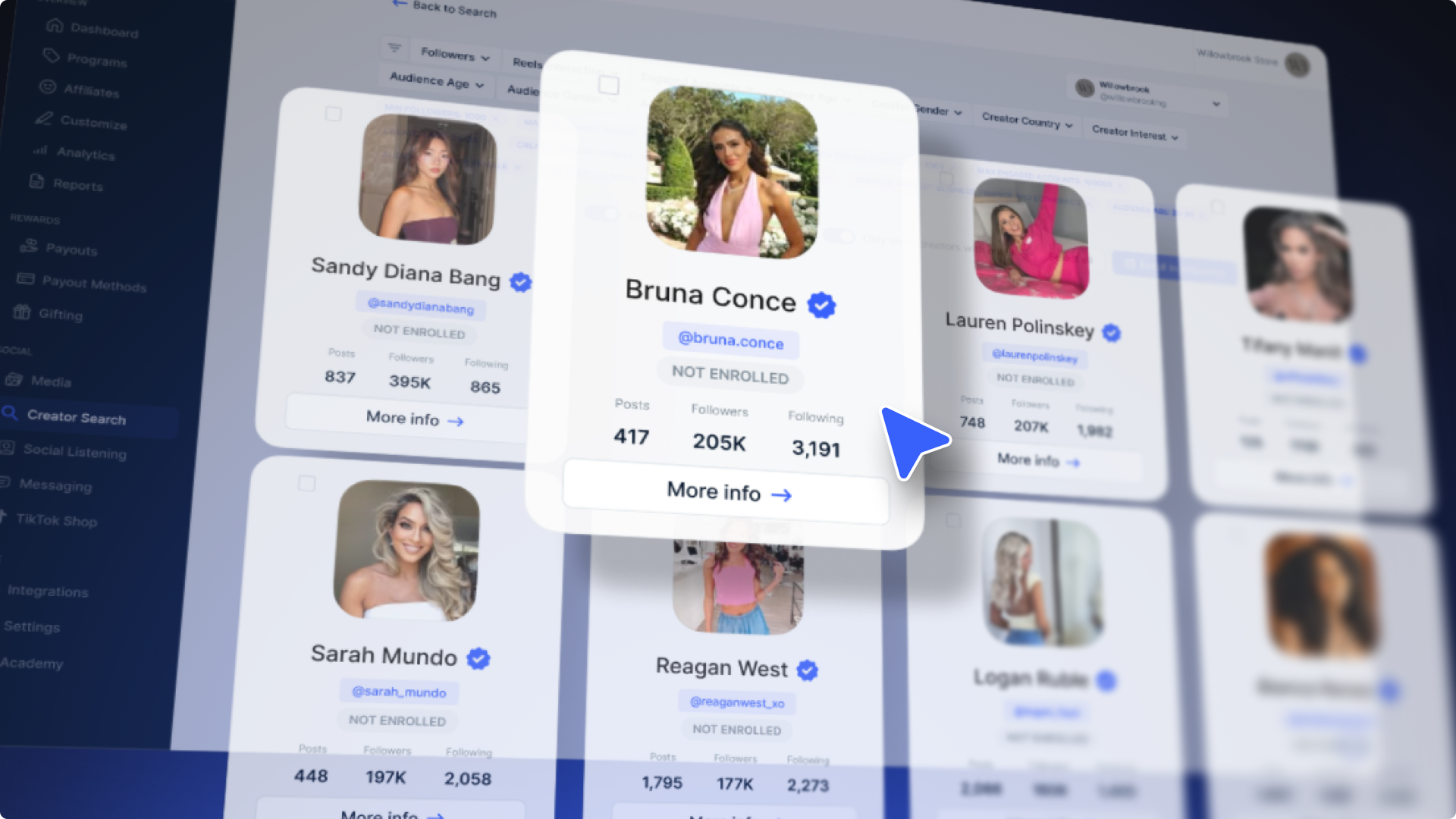
This is exactly what Social Snowball’s Creator Search tool is built for. Instead of manually digging through platforms, spreadsheets, or DMs, you can:
- Search for creators already posting in your category.
- Use search filters to narrow results by relevant signals, such as content focus and audience response.
- Automatically send personalized outreach at scale.
- Track responses and activation from one dashboard.
If you want influencer partnerships that actually scale, start by fixing how you find and activate creators.